
Pick a type

Collections with products from this category

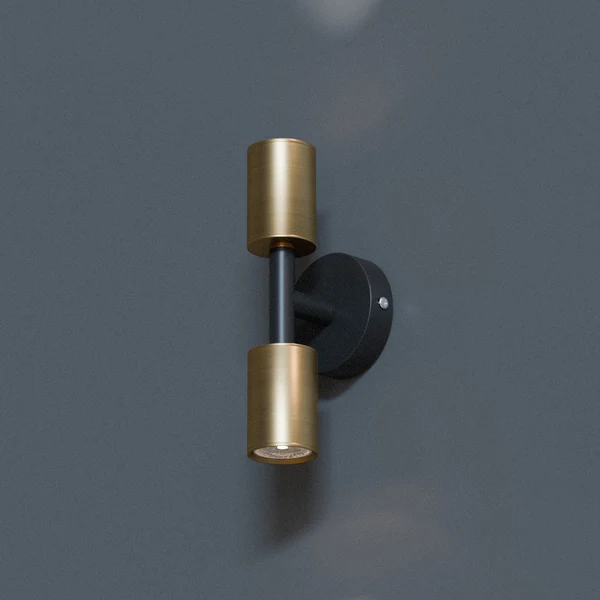
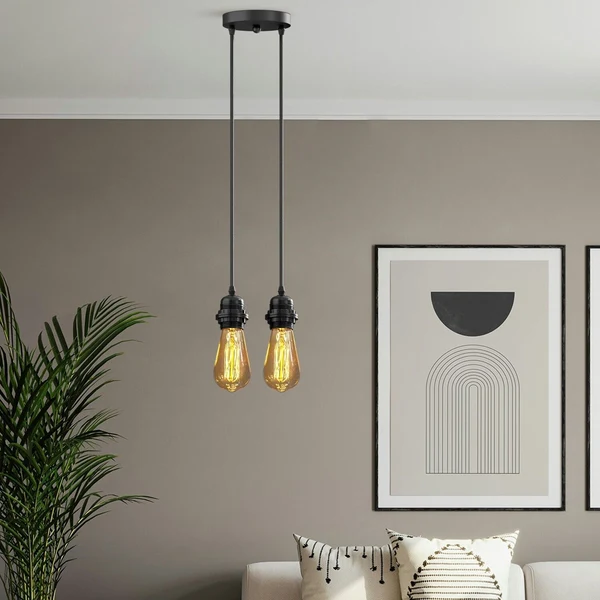
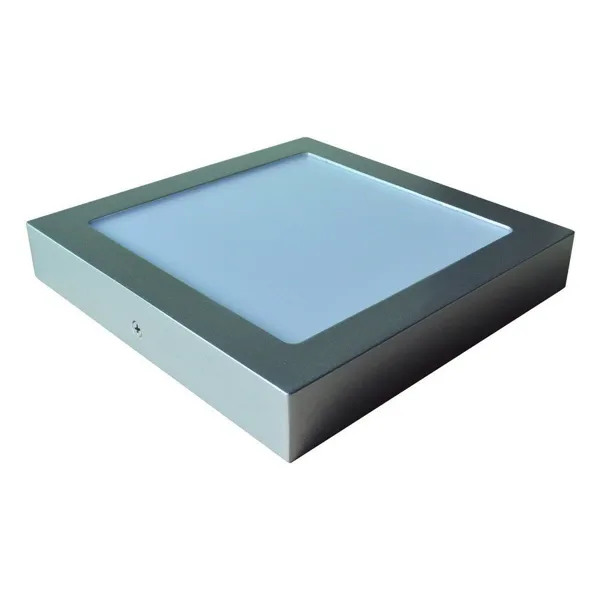
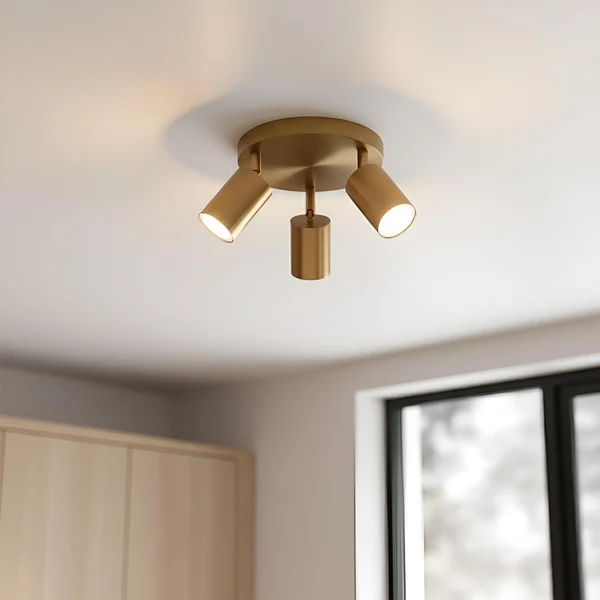
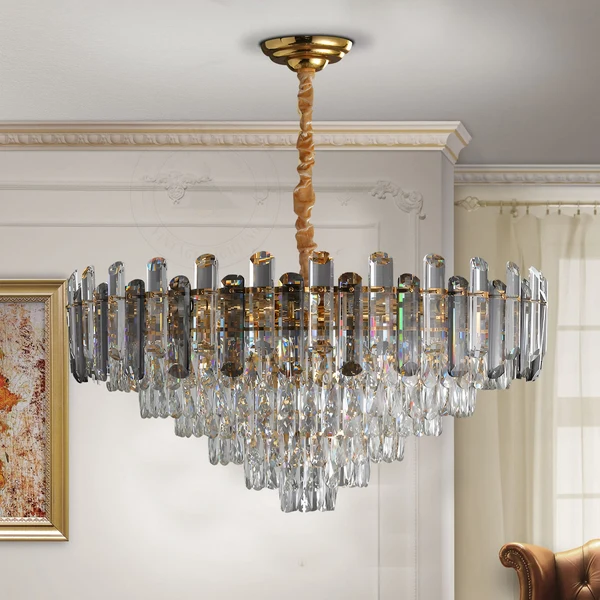
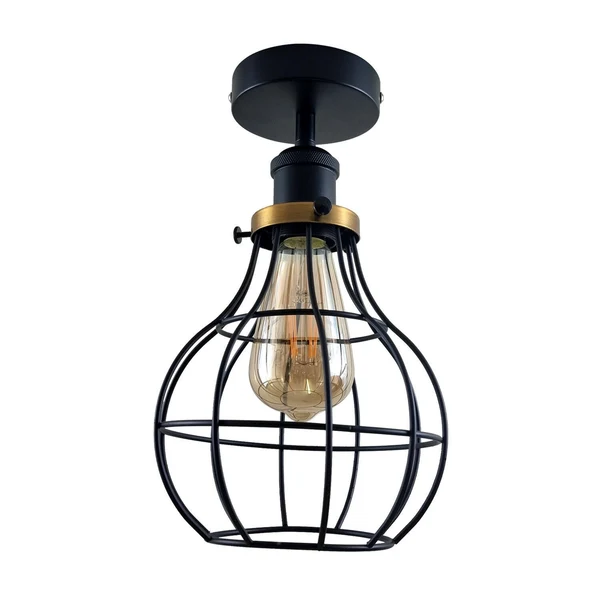
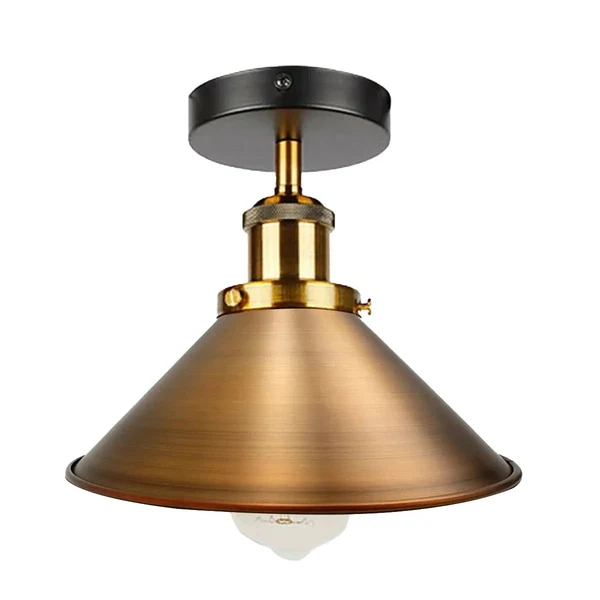
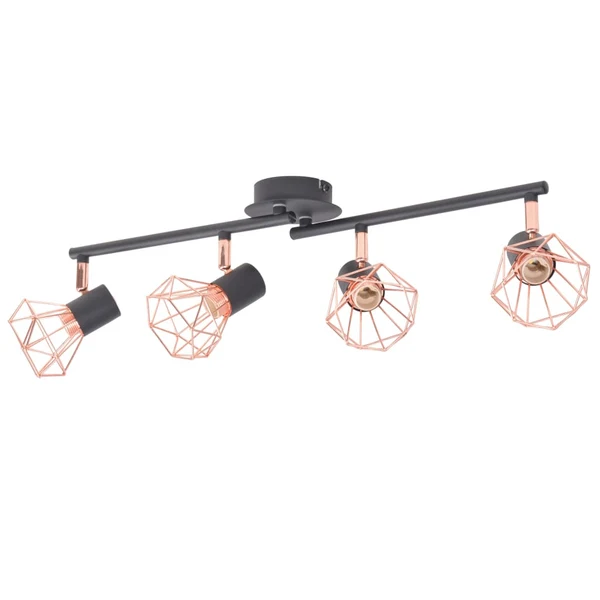
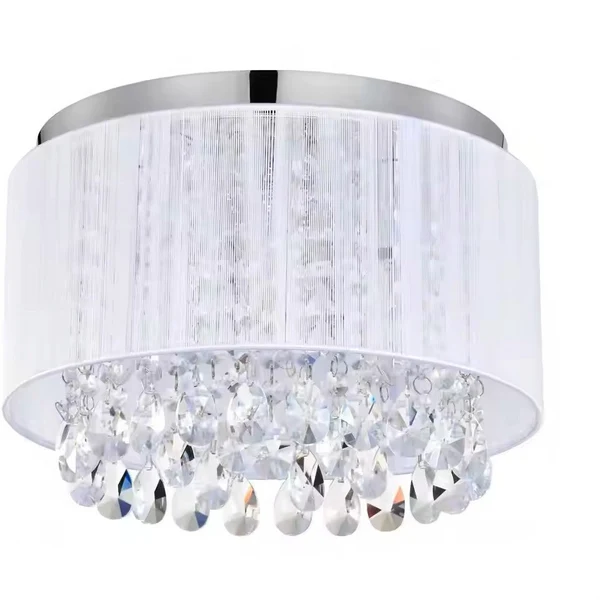
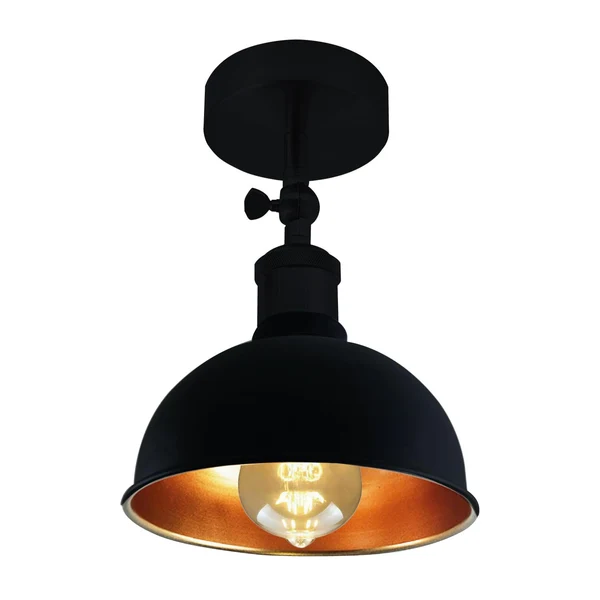
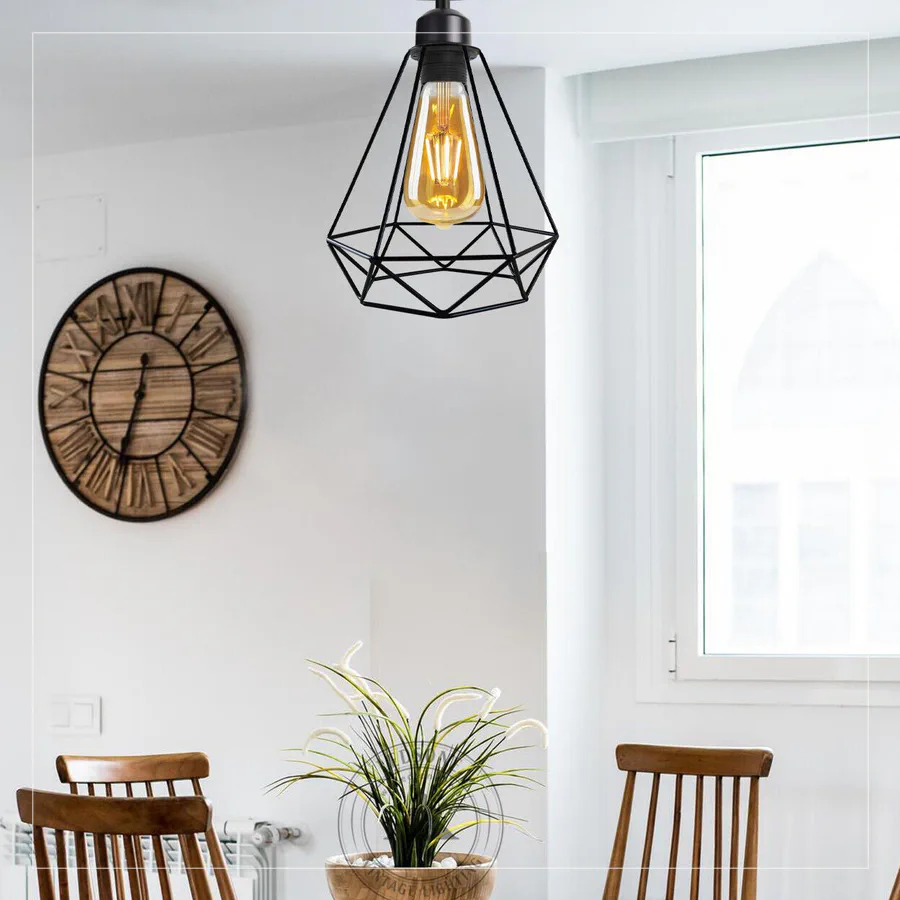
Vintage Industrial Loft Cage Metal Flush Mount Ceiling Light
Every brand in this category
Different shoppers want different things from ceiling lights, so it helps to know your own priorities before you start. Upkeep matters as well: some materials need a little regular care, others very little. Buying a set keeps everything matching, while buying singly lets you mix and add over time.
How to choose
- Warmth and colour tone: Warm white tones soften lounges and bedrooms, while brighter neutral light suits desks and kitchen islands.
- Drop height and room scale: Measure ceiling height and table width so pendant clusters and chandeliers hang clear of sightlines.
- Check how it is put together: clean joins and neat finishing are good signs of careful making.
- Compare a few options side by side on the same points rather than judging each one alone.
Frequently asked questions
Which bulb fitting is most common on vintage pendant lights?
Many industrial and decorative pendant fittings use common large Edison screw sockets, making it simple to pair exposed filament LED bulbs.
What is the difference between fairy lights and festoon lights?
Fairy lights use delicate micro-LEDs along fine wire for shelves and windows, while festoon strings carry fuller globe bulbs suited to pergolas and patios.
Who might choose ceiling lights?
Anyone with a clear use in mind can choose ceiling lights well; what matters is matching the type, size and material to that use rather than to a label.
Should I buy ceiling lights as a set or singly?
A set of ceiling lights keeps everything matching; buying one at a time lets you mix materials and colours and add to what you have as you go.
Can ceiling lights handle everyday use?
Whether ceiling lights can handle daily use depends on material and construction; for frequent use, look for sturdy builds and finishes that are easy to care for.
Measurement guide
- Size (22.5–40 cm): Measure in a straight line from one outer end to the other.